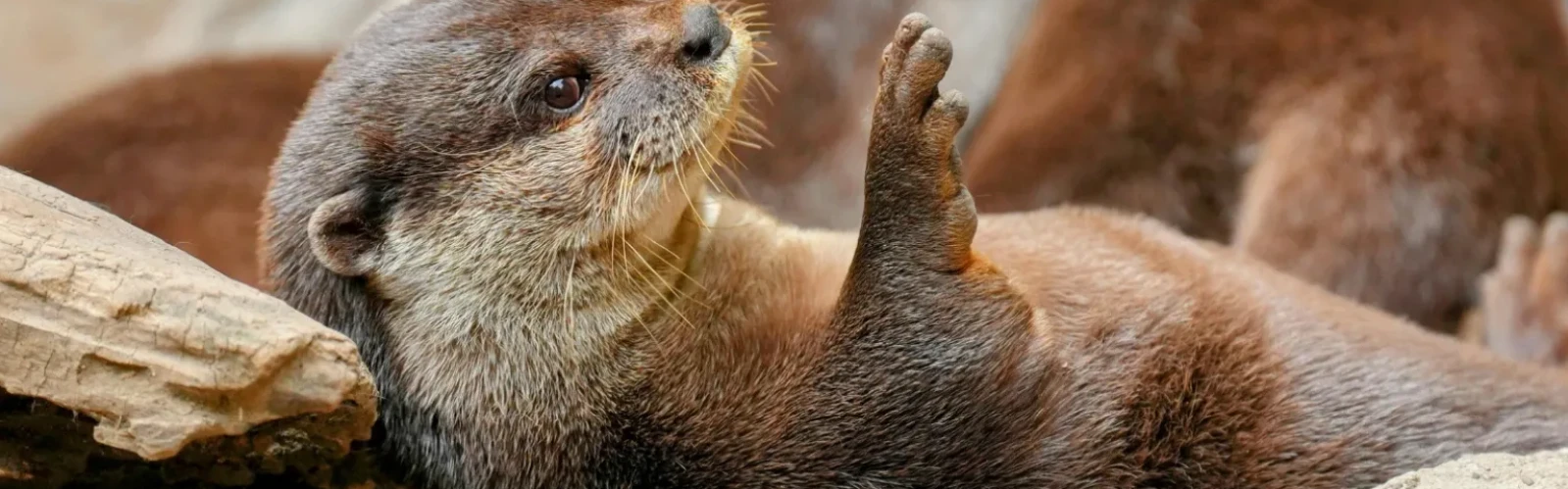
Wildlife Viewing in Morro Bay: Sea Otters, Birdlife & Coastal Wonders

Introduction: Why Morro Bay Is a Wildlife Haven
Morro Bay is widely regarded as one of California’s most important coastal ecosystems, offering an exceptional variety of wildlife within a relatively small geographic area. The combination of ocean waters, estuary wetlands, sandy dunes, and surrounding hills creates a naturally balanced environment where hundreds of species thrive throughout the year. This makes it a consistently rewarding destination for nature lovers, photographers, and casual travelers alike.
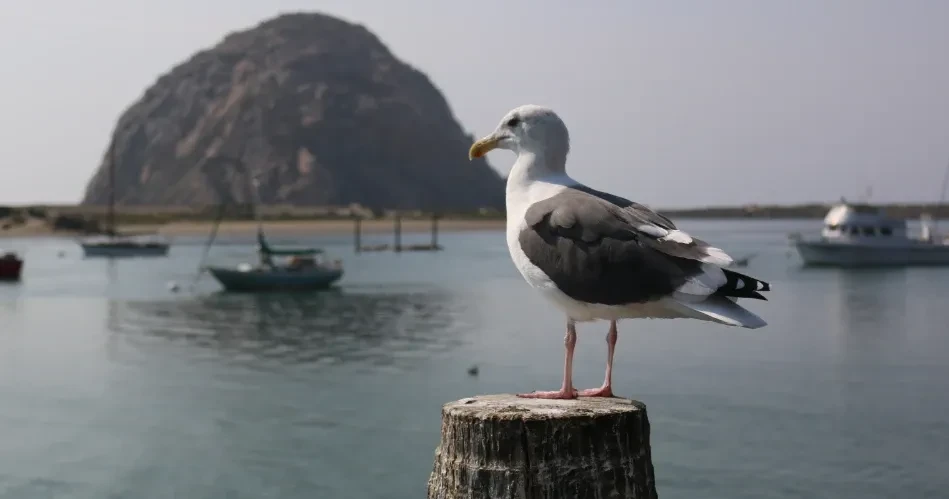
What sets Morro Bay apart is how easily wildlife can be observed without needing specialized equipment or long excursions. The calm harbor, open shoreline viewpoints, and accessible walking trails allow visitors to experience nature at a slow and immersive pace. The iconic Morro Rock further enhances the landscape, acting as both a visual landmark and a resting point for seabirds.
Unlike seasonal tourist destinations, Morro Bay offers wildlife activity year-round. Whether it is marine life near the harbor or bird migration across the estuary, there is always something active to observe. This natural richness creates an experience that feels both peaceful and dynamic at the same time.
Sea Otters: The Iconic Coastal Residents
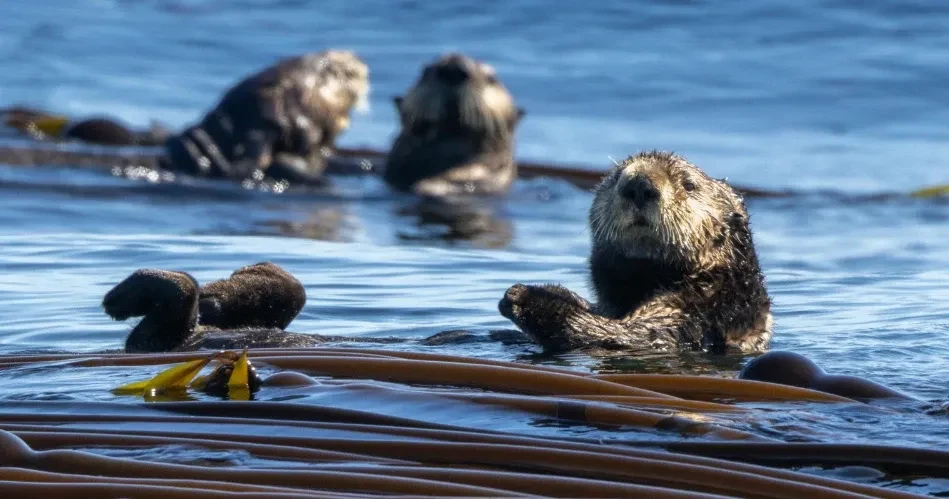
Sea otters are one of the most beloved wildlife species in Morro Bay and often the first animals visitors hope to see. These playful marine mammals are frequently spotted floating on their backs in calm waters, using tools such as rocks to break open shellfish. Their relaxed and social behavior makes them especially enjoyable to watch for extended periods.
The protected waters of Morro Bay provide an ideal environment for otters to thrive. Dense kelp forests offer both food and shelter, creating a safe space where they can rest, feed, and raise their young. Otters are commonly seen in groups called rafts, where they float together while grooming or resting, often holding hands to stay connected.
Their presence is not only entertaining but also ecologically significant. Sea otters help maintain balance in the marine ecosystem by controlling sea urchin populations, which in turn protects kelp forests from overgrazing. This natural role supports the overall health of coastal biodiversity.
For visitors, the best viewing times are early morning or late afternoon when waters are calmer and otters are more active near the surface.
Bird Watching: A Global Migration Hotspot
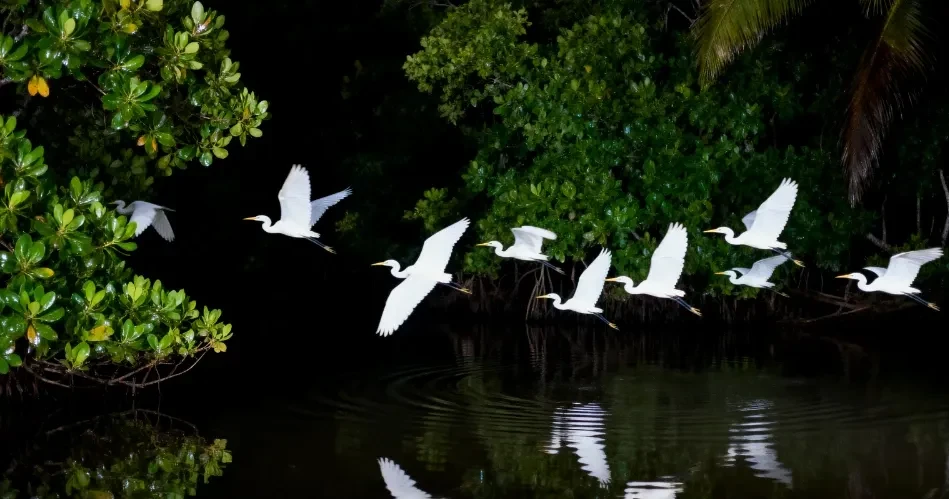
Morro Bay is internationally recognized as an important stop along the Pacific Flyway, making it a premier birdwatching location in California. The estuary, mudflats, and marshlands provide ideal feeding and resting areas for both resident and migratory birds throughout the year.
A wide range of bird species can be observed here, including herons, egrets, pelicans, cormorants, and numerous shorebirds. These birds are often seen wading through shallow waters, diving for fish, or resting along the shoreline. The diversity increases significantly during migration seasons, when thousands of birds pass through the region.
Winter months bring large flocks of waterfowl, while spring introduces nesting behavior and increased activity across wetlands. This seasonal variation ensures that birdwatching remains engaging no matter when you visit.
One of the most appealing aspects of birdwatching in Morro Bay is accessibility. Many viewing points allow close observation without disturbing wildlife, making it suitable for beginners and experienced birders alike. The peaceful environment also enhances photography opportunities, especially during early daylight hours.
Marine Life Beyond Otters: Dolphins, Seals & Whales
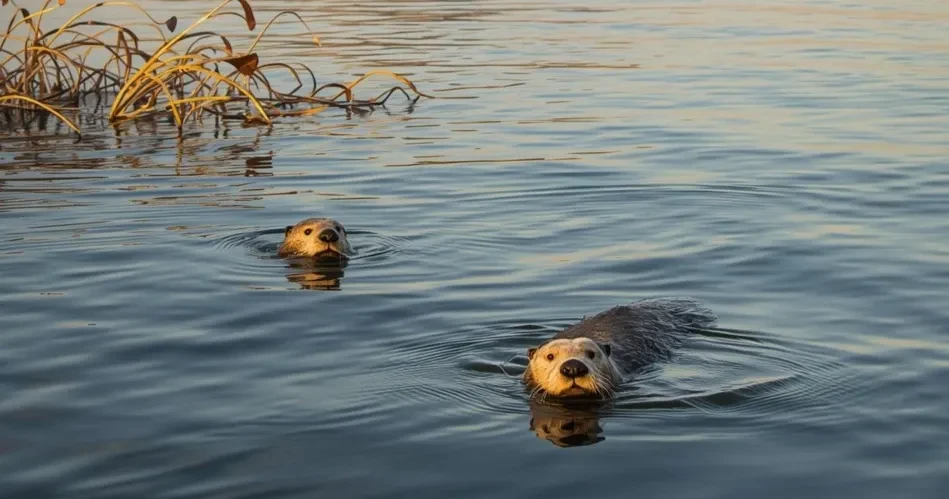
While sea otters are a highlight, Morro Bay is home to a much broader range of marine life. Harbor seals are commonly seen resting on sandbars, floating near docks, or swimming in calm waters close to shore. Their relaxed behavior makes them easy to spot during most daylight hours.
Sea lions are also frequently present in the area, often resting on buoys, rocks, or harbor structures. Their loud calls and active movement make them noticeable even from a distance. Occasionally, dolphins can be seen offshore, moving in groups and creating memorable sightings for visitors along the coastline.
Seasonal whale migrations further enhance the marine wildlife experience. Depending on the time of year, gray whales and other species pass along the Pacific coast during their long migratory journeys. These sightings can sometimes be observed directly from shoreline viewpoints, especially during migration peaks.
Together, these marine species highlight the richness of Morro Bay’s ocean ecosystem and emphasize the importance of coastal conservation efforts.

The Morro Bay Estuary: A Living Ecosystem
The estuary is the ecological core of Morro Bay and plays a vital role in sustaining its wildlife diversity. This dynamic wetland system connects freshwater streams with the Pacific Ocean, creating a nutrient-rich environment that supports a wide variety of species.
Fish, crustaceans, and invertebrates thrive in the shallow waters, forming the base of a complex food chain. Birds frequently feed in the mudflats, while marine mammals rely on the estuary for protection and food availability. The constant movement of life makes this area one of the most active wildlife zones in the region.
In addition to supporting biodiversity, the estuary helps protect the coastline by filtering pollutants and reducing erosion. Its natural processes maintain water quality and contribute to the overall health of the coastal environment.
Visitors can explore walking trails and viewing platforms that offer close observation opportunities without disturbing the habitat. These areas also provide educational insights into how interconnected ecosystems function in balance.
Seasonal Wildlife Experiences
Wildlife activity in Morro Bay changes noticeably with the seasons, offering different experiences throughout the year. Each season brings unique behaviors, species movements, and environmental conditions that influence what visitors can observe.
Winter is the peak season for birdwatching, as migratory species arrive in large numbers to feed and rest. Spring brings renewed activity, including nesting behaviors and increased movement across wetlands and coastal areas.
Summer offers the calmest ocean conditions, improving visibility for marine life such as otters, seals, and dolphins. The warmer weather also encourages more active shoreline exploration. In contrast, fall provides a quieter atmosphere, with transitional species passing through and fewer crowds in viewing areas.
These seasonal shifts make Morro Bay a destination that feels different with each visit. Understanding these patterns helps visitors plan trips based on their specific wildlife interests, whether focused on birds, marine mammals, or overall ecological observation.
Responsible Wildlife Viewing
Responsible wildlife viewing is essential to preserving the natural balance of Morro Bay’s ecosystems. Human presence can impact animal behavior, so maintaining a respectful distance is important when observing wildlife in their natural habitat.
Visitors are encouraged to stay on marked trails, avoid loud noises, and never feed or approach animals. These simple practices help reduce stress on wildlife and ensure that natural behaviors continue undisturbed.
Respectful observation also benefits visitors by allowing more authentic and meaningful wildlife experiences. When animals are not disturbed, their natural routines—such as feeding, resting, and interacting—can be observed more clearly.
Conservation efforts in Morro Bay depend on cooperation between local authorities and visitors. Practicing responsible tourism helps protect the area’s biodiversity for future generations while maintaining its reputation as a premier wildlife destination.

About Author
Sarah produces creative and informative content based on her travel experience. She keeps her blogs up-to-date with the latest information.