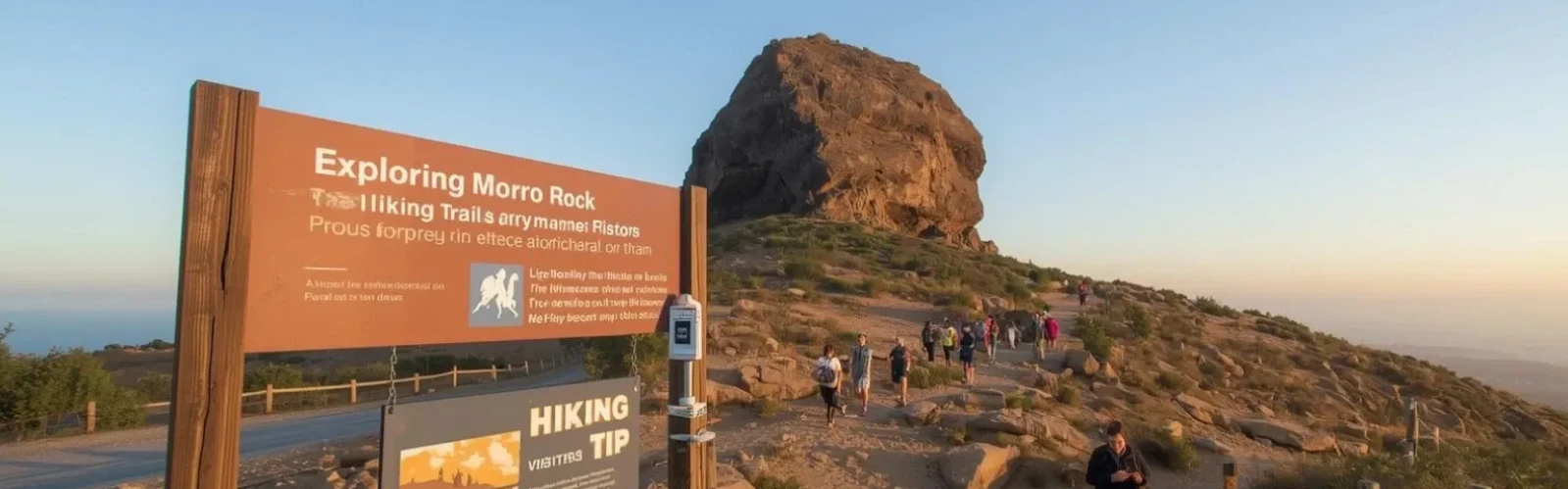
Discovering Morro Rock: History, Hiking Routes & Essential Visitor Guide

Introduction: The Iconic Presence of Morro Rock
Morro Rock is one of the most recognizable natural landmarks along California’s Central Coast. Rising abruptly from the waters near Morro Bay, this massive volcanic formation is often referred to as the “Gibraltar of the Pacific” due to its bold, fortress-like appearance.
Formed millions of years ago, Morro Rock is part of the ancient volcanic chain known as the Nine Sisters. Today, it dominates the coastline, visible from almost every angle in the bay area. Its striking silhouette changes beautifully throughout the day, making it a favorite subject for photographers and nature lovers.
Beyond its visual appeal, Morro Rock represents the identity of Morro Bay. It stands as a natural compass for visitors, a symbol of coastal heritage, and a peaceful place where land, sea, and sky meet. Whether you are visiting for relaxation, photography, or exploration, the rock offers an unforgettable introduction to California’s coastal beauty.
Geological History of Morro Rock
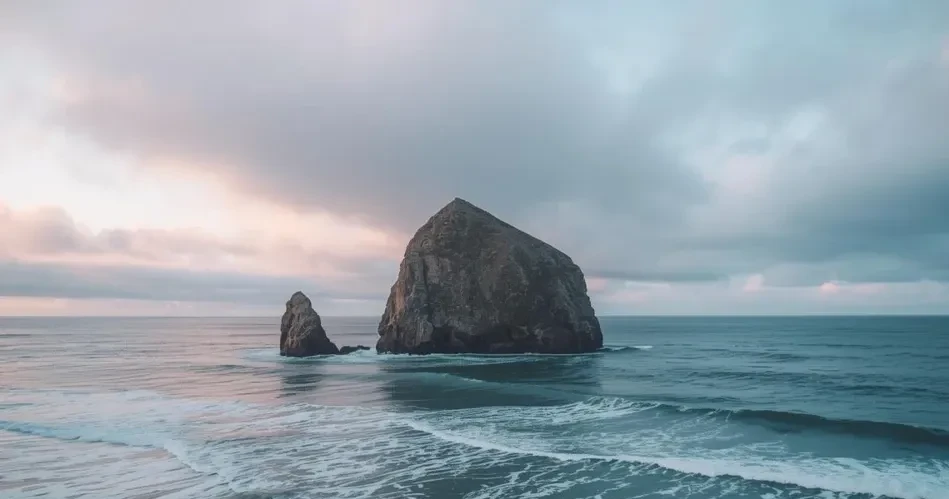
The origin of Morro Rock dates back over 20 million years, when volcanic activity shaped the Central Coast region. It formed as a volcanic plug—created when magma solidified inside a volcano’s vent. Over time, surrounding softer rock eroded away, leaving the hard core exposed.
This geological formation is part of the Nine Sisters, a chain of volcanic peaks stretching across the region. Unlike many of its inland counterparts, Morro Rock sits directly on the shoreline, giving it a dramatic coastal identity.
In the late 1800s, parts of the rock were quarried for construction, including materials used in harbor development. This activity reduced its size and raised concerns about preservation. Eventually, awareness grew, leading to legal protection of the landmark.
Today, Morro Rock is preserved as a geological and ecological treasure. Its steep cliffs and rugged surface not only tell the story of Earth’s volcanic past but also serve as a reminder of natural forces shaping landscapes over millions of years.

Cultural and Historical Importance
For centuries, Morro Rock has held deep cultural significance. Indigenous Chumash and Salinan communities regarded it as a sacred site, integrating it into their stories, navigation, and spiritual traditions. It served as a landmark that guided travel and shaped oral histories along the coast.
During European exploration, sailors relied on the rock as a key navigation marker when approaching Morro Bay. Its towering visibility made it an essential guide for maritime routes and safe harbor access.
In later years, quarrying activities threatened the rock’s integrity, sparking conservation movements. Public efforts eventually led to its protection as a landmark of cultural and historical importance.
Today, Morro Rock stands as a shared symbol of Indigenous heritage, maritime history, and environmental preservation. It represents the evolving relationship between humans and nature, reminding visitors of the importance of protecting natural landmarks for future generations.
Wildlife and Natural Environment
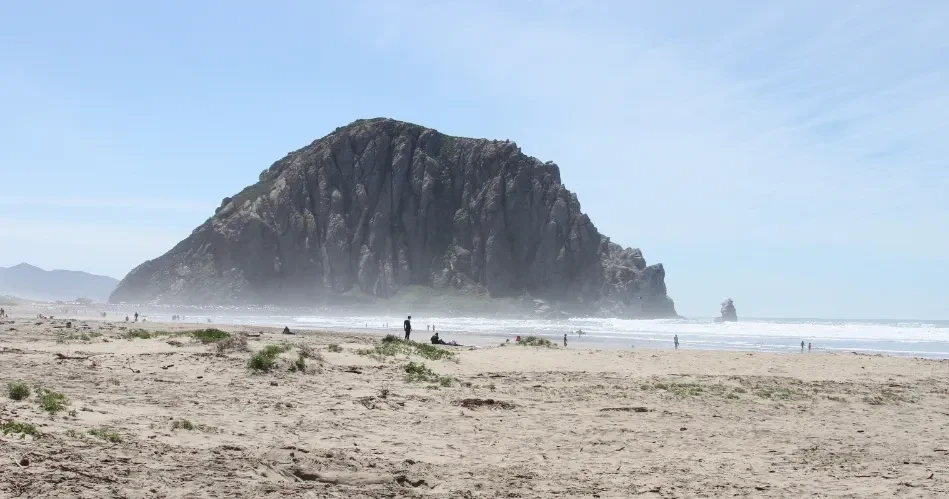
The ecosystem surrounding Morro Rock is rich in biodiversity. The rock itself serves as a protected nesting site for peregrine falcons, which can often be seen circling above the cliffs.
In the waters of Morro Bay, marine life thrives. Sea otters float near the harbor, while seals and sea lions rest along docks and sandbars. The estuary environment also supports pelicans, cormorants, and migratory shorebirds.
Seasonal changes bring variety to the landscape. Spring attracts migrating bird species, while winter storms create dramatic coastal scenery. Tidepools near the shore reveal starfish, anemones, and other marine organisms.
This area is carefully protected to maintain ecological balance. Visitors are encouraged to observe wildlife respectfully and avoid disturbing natural habitats. The combination of volcanic rock, ocean ecosystem, and birdlife creates a unique natural sanctuary.

Best Time to Visit Morro Rock
The experience of visiting Morro Rock varies depending on the time of day and season. Early morning offers calm surroundings, soft lighting, and fewer crowds, making it ideal for photography and peaceful walks.
Sunset is another popular time, when warm colors reflect off the water and the rock appears as a dramatic silhouette against the sky. Midday visits provide clear visibility but can be busier during peak tourist seasons.
Seasonally, spring and autumn are the most comfortable times to explore Morro Bay. Weather conditions are mild, and wildlife activity is at its peak. Summer tends to be foggy and more crowded, while winter brings stormy coastal beauty and quieter surroundings.
Layered clothing is recommended year-round due to changing coastal weather conditions. Timing your visit with tides and sunlight enhances the overall experience.

Visitor Tips for a Better Experience
Planning a trip to Morro Rock ensures a smooth and enjoyable visit. Comfortable walking shoes are recommended for exploring nearby paths and sandy areas. Weather can change quickly, so layered clothing is essential.
Parking near the site is available but may fill quickly during peak hours, so arriving early is helpful. Facilities such as restrooms and picnic areas are located nearby for convenience.
It is important to follow all regulations. Climbing the rock is strictly prohibited to protect wildlife habitats and preserve its structure. Visitors should also respect marked paths and avoid disturbing animals.
Bringing a camera or binoculars enhances the experience, especially for birdwatching and landscape photography. Responsible tourism helps maintain the natural beauty of Morro Rock for future visitors.

Conclusion
A visit to Morro Rock is more than a scenic stop—it is an encounter with history, geology, and coastal life. Standing within Morro Bay, the rock represents millions of years of natural transformation and centuries of human connection.
From its volcanic origins as part of the Nine Sisters to its role in Indigenous culture and maritime navigation, Morro Rock carries a rich and layered story. Its surrounding trails, wildlife, and ocean views add depth to the experience.
Whether you are walking along the shoreline, exploring nearby hills, or simply admiring it from afar, Morro Rock leaves a lasting impression. It stands as a reminder of the power of nature and the importance of preservation.
For travelers seeking beauty, peace, and history in one destination, Morro Rock remains one of California’s most rewarding coastal landmarks.

About Author
Keirsten left her career in engineering to travel the world. She is a 28 years old girl with some tremendous girl power; she has been traveling for five years now and has been producing awesome content based on her experience.